

Skip to content
image of aviation scenes where headsets are being used

What the HP / Poly End-of-Life Means for Airline Operations

Call One / Hello Direct
What the HP / Poly End-of-Life Means for Airline Operations
3:15

Before we begin today’s blog, please stow all carry-on items and review the following safety information. As we prepare for takeoff, return your tray table and seat to the upright position and discontinue the use of electronic devices. Seat belts should be securely fastened—we’re expecting a bit of a bumpy ride.

Please Direct Your Attention to This Important Information

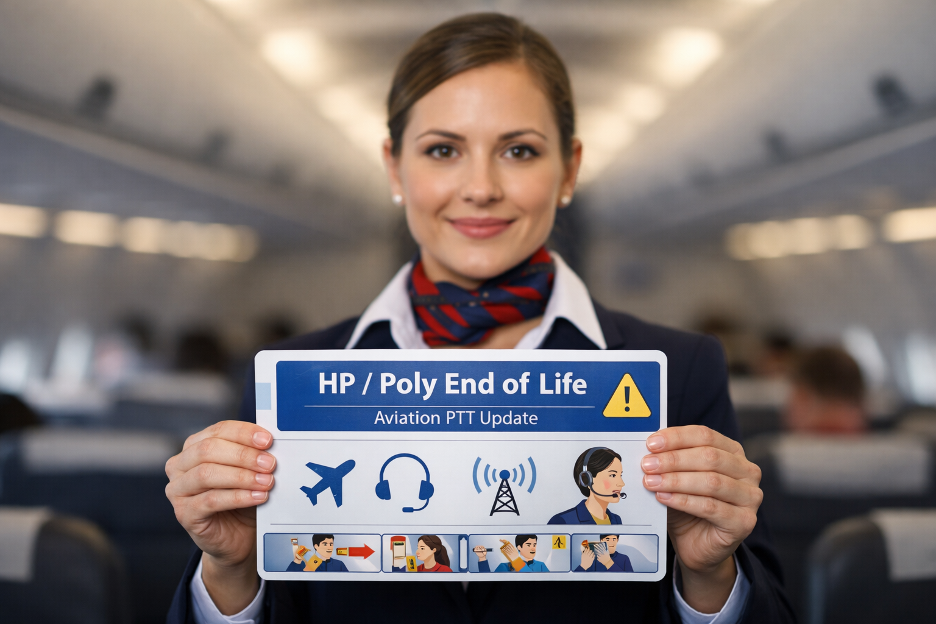
Plantronics—now Poly, an HP company—has officially discontinued all essential communication products such as the CA22 DECT system, SHS PTT adapters, and the HW series – all of which have long been standard in air traffic control,air traffic services, and air traffic safety.

For many airlines, this equipment has performed reliably for years. The challenge is that end-of-life decisions often don’t surface as operational problems until something breaks—at which point supported replacements may no longer be readily available.
AirlineOperations_blog.2png

In the Event of Unexpected Equipment Issues

When end-of-life impacts legacy, mission-critical communication equipment, airlines begin to experience predictable challenges. Teams we speak with are already seeing the following risks emerge:

  • Unplanned downtime risk increases: Equipment often fails at the worst possible time—during peak operations or irregular events—while replacement inventory becomes limited or unpredictable.
  • Last-minute sourcing pressure builds: Manufacturer support and repair paths go away, forcing teams to scramble for alternatives that haven’t been fully tested in live environments.
  • Like-for-like replacements are harder to find, test, and implement, especially when new headsets and PTT solutions must integrate with existing
  • Training and adoption friction appears: Even small changes can create disruption if users aren’t comfortable with new gear or workflows.

If You Are Seated In These Seats

This update is especially relevant for airline and aviation teams still using affected HP / Poly aviation and dispatch equipment, particularly in the following environments:
photographic air traffic control with headsets on-3

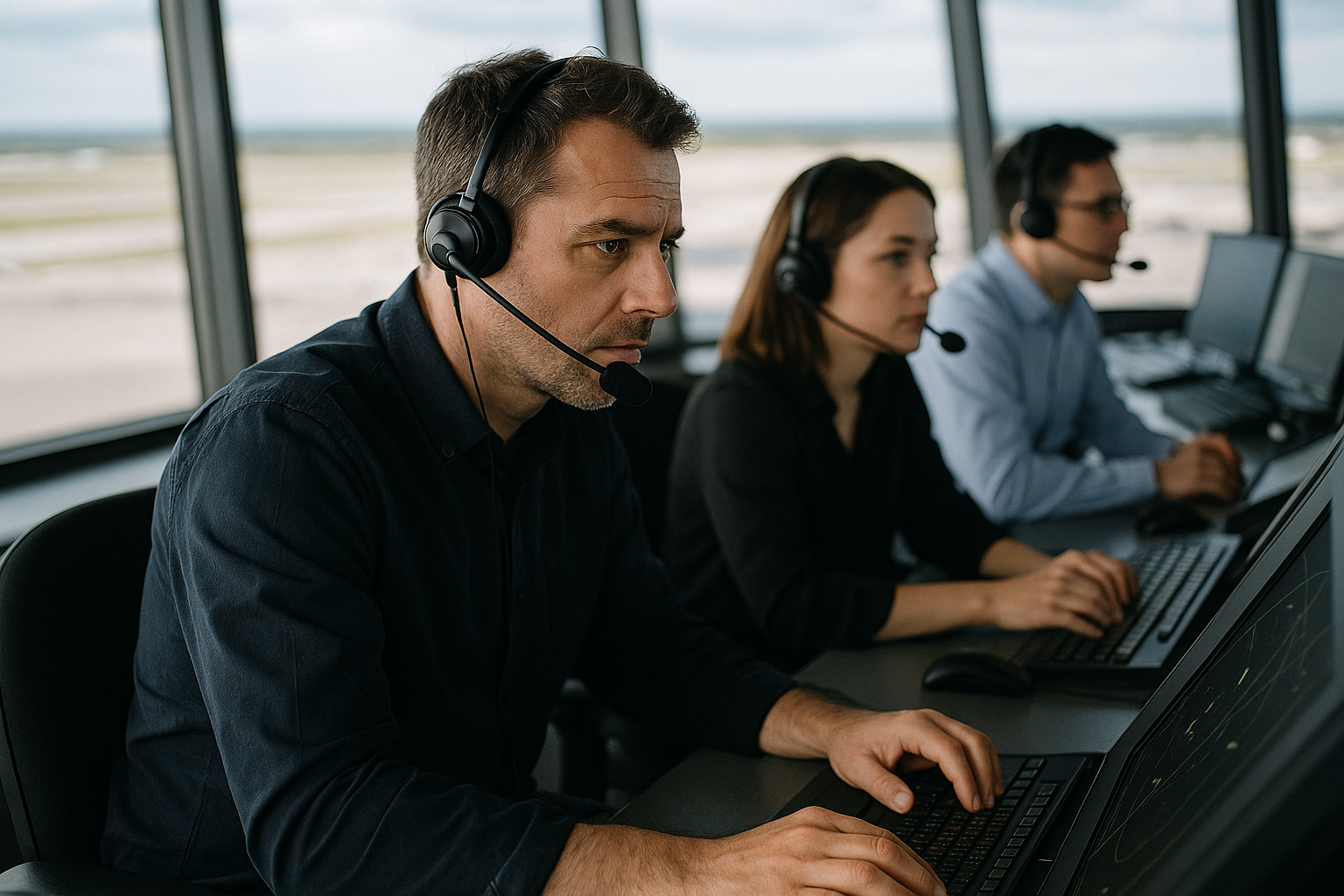
Air Traffic Controllers & Tower Operations

Air traffic management(ATM) teams are among the most directly impacted by this announcement. For decades, Poly equipment has been widely standardized for:

  • Controller headsets used in tower environments for clear, lightweight, all-day communication
  • Push-to-Talk (PTT) adapters, including SHS-series devices, that connect headsets to air traffic control consoles
  • Wireless systems, such as CA22-based DECT solutions, which enabled controller mobility within towers

The discontinuation of these systems creates an immediate planning gap for tower and flight control environments that depend on certified, console-integrated communications.

Dispatchers & Operations Control Centers

Airline dispatch and emergency communications teams rely on high-durability, mission-critical headsets for 24/7 coordination.

  • Wireless dispatch solutions have historically been limited, and Poly’s exit leaves fewer supported options in this category
  • Legacy dispatch hardware will lose manufacturer support and long-term service paths
  • Reliability expectations remain unchanged, even as replacement options narrow

For operations centers,this is less about preference and more about sustaining dependable communication under constant load.

Commercial Pilots & Flight Crews

While many pilots use specialized aviation headset brands, Poly commercial aviation headsets have been a longstanding standard across fleets.

  • Discontinued commercial aviation models have been widely deployed in cockpit environments
  • Legacy fleet standardization means replacement may involve new hardware, adapters, or retraining
  • Procurement and flight ops teams supporting mixed or aging fleets may need to reassess approved equipment lists
Poly Air traffic control

What Other Operations Teams Are Doing Before It Becomes Urgent

This may feel overwhelming at first, but it’s not time to panic. Most airlines and aviation organizations are taking a measured, operations-first approach designed to preserve flexibility and reduce risk.

Common next steps include:

  • Documenting where affected HP / Poly PTT equipment is still deployed across operations
  • Identifying supported alternatives that meet aviation, dispatch, and tower requirements
  • Testing in limited live environments to validate comfort, clarity, and compatibility
  • Planning phased transitions aligned with maintenance windows, refresh cycles, or fleet updates

This approach allows teamsto stay in control of timing and outcomes—rather than being forced intolast-minute decisions when there is an unexpected change in cabin pressure.

captain-woman-copilot-cockpit-preparing-fly-airplane-using-dashboard-command-buttons-fix-altitude-longitude-control-takeoff-aerial-navigation-with-radar-compassIf You Have Questions Before Departure

If your team is evaluating timing, exposure, or testing options, you don’t have to navigate this alone. We’re happy to share what other airline and aviation operations teams are doing to plan ahead—without pressure to change anything today.

That might mean:

  • Reviewing where legacy PTT equipment is still in use
  • Talking through testing approaches other teams have taken
  • Comparing timelines for phased transitions
  • Sanity-checking whether action is needed now or later

Final Reminders Before Departure

End-of-life announcements don’t require immediate action—but they do reward early awareness. Airline and aviation teams that take time to understand their exposure, document what’s in place, and plan thoughtfully retain control over timing, testing, and outcomes.

The goal isn’t to rip everything out today. It’s to avoid being forced into decisions tomorrow, when options are fewer and pressure is higher.

Thank you for your attention. Please remain seated until this blog is concluded—and as always.....safe travels.


 

Share this post